Shot 1: The first shot is a close up of a dwarf hammer with natural lighting. It is positioned slightly off center and touches the lower right vertical axis from the rule of thirds. Upon close inspection, the natural light grazes down the right side of the object with light beaming through the window. Due to this particular position, the hammer is darkened along the backside and holds a slight shadow on the backside of the resting surface.

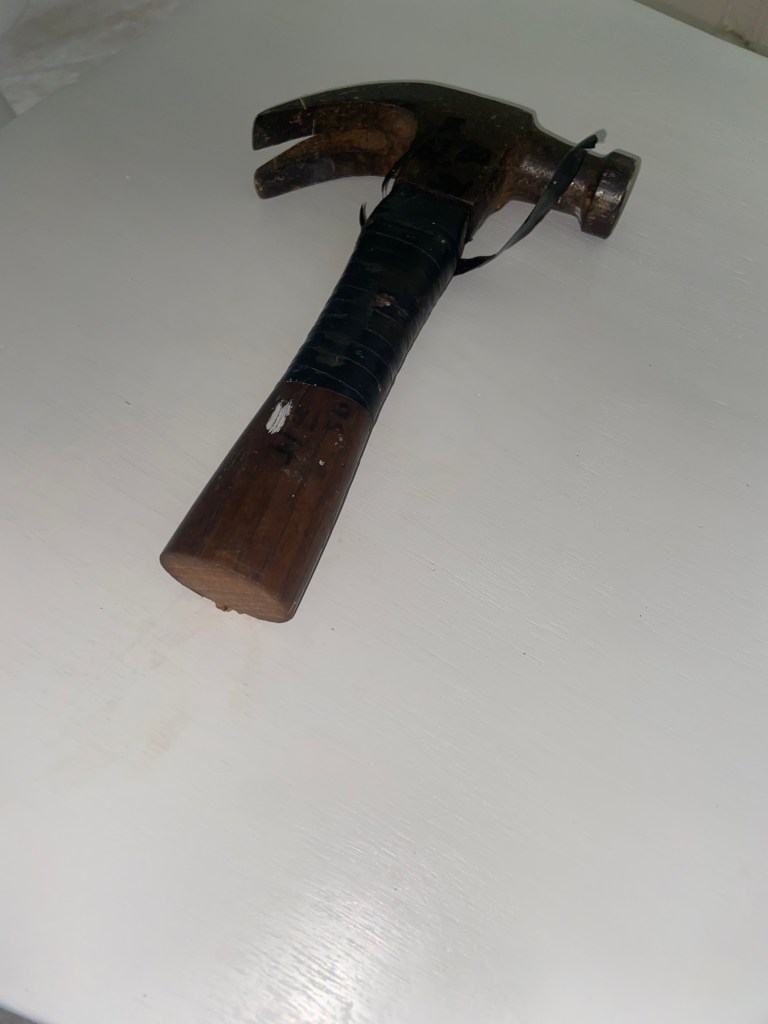
Shot 2: The second shot is a close up of the dwarf hammer with 100% flash lighting. This was taken in complete darkness without any natural lighting available. It is positioned more in the center and cuts across the center panel and horizontal axis from the rule of thirds. Notice, the flash lighting has removed all major shadows from the hammer and is very direct with its exposure.
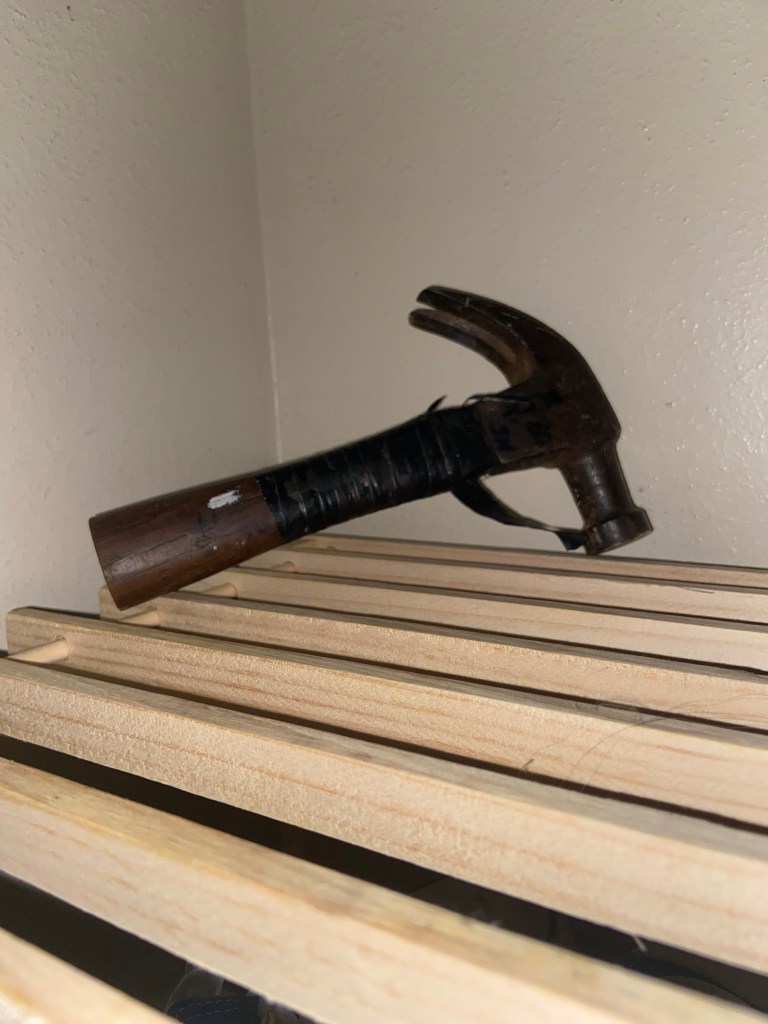
Shot 3: The third shot of the dwarf hammer is a mixture of both natural lighting and flash lighting. The positioning rests above the lower panel and lies primarily in between the top center and center of the frame (rule of thirds). The lighting is gradient in that it transforms from bright to darker or dark to brighter depending on where you start. At the bottom of our picture we recognize the slightly brighter flash lighting that exists, whereas at the top the flash lighting is faded and natural lighting seems to take over. Notice the baby shadow that curves around the top of the object.
 mccasland media